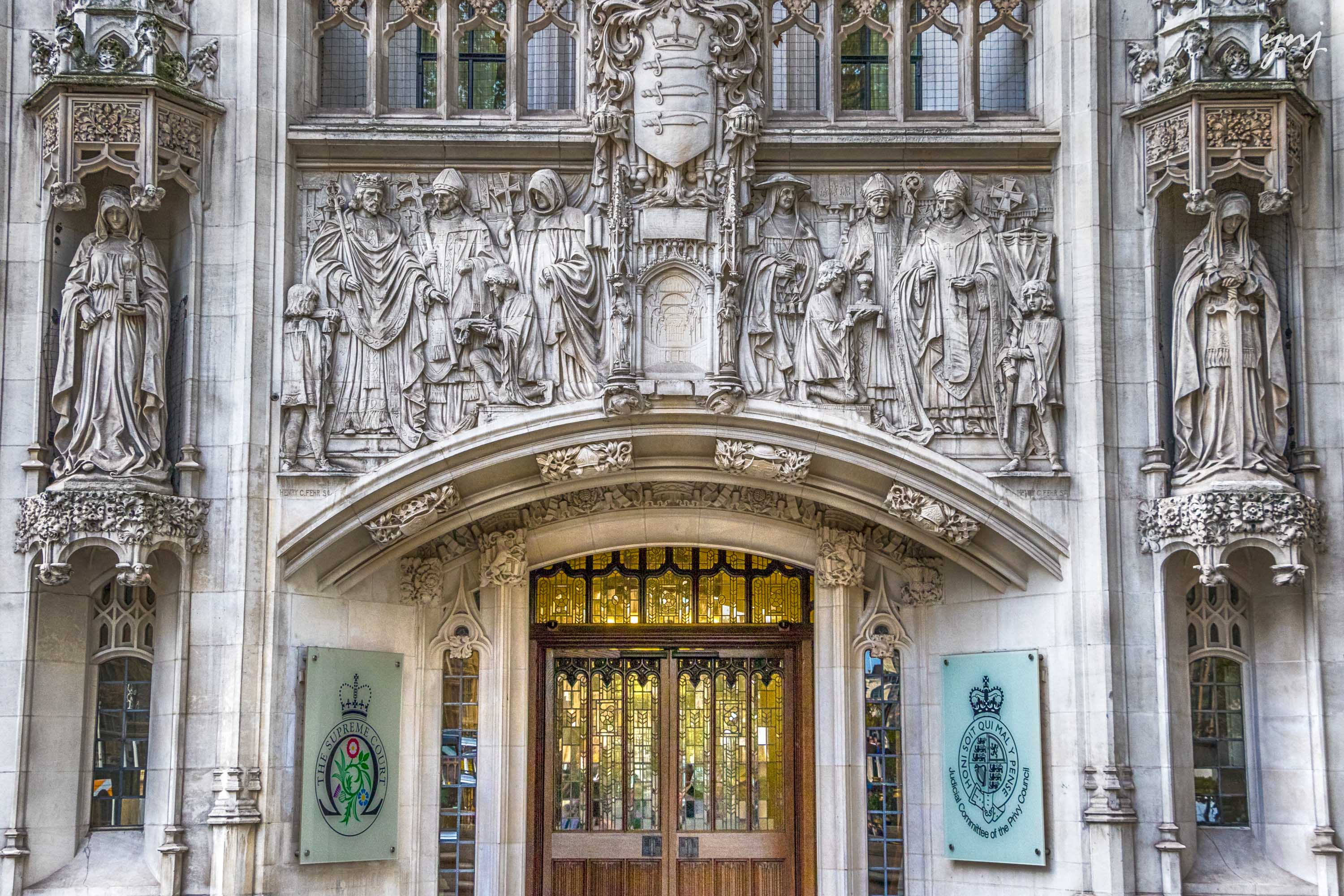
Appeals from Scotland and Northern Ireland alleging violations of the European Convention on Human Rights will be heard at the Supreme Court this week.
Three days – 21, 22, and 23 October 2024 – have been set aside to hear Daly v His Majesty’s Advocate and Keir v His Majesty’s Advocate. Both appeals raise issues around the right to a fair trial under ECHR Article 6, while Daly includes a further challenge based on non-discrimination right under Article 14. Both appellants argue that the default exclusion of false allegation evidence under section 274 of the Criminal Procedure (Scotland) Act 1995 violate ECHR Article 6. In addition, they say that the non-justiciability of the prosecutor’s discretion when charging offences violates the ECHR fair trial right. The Daly appeal also raises the issue of whether, if prosecutor’s decisions are reviewable in England and Wales, the non-justiciability of a Scottish prosecutor’s discretion breaches the prohibition on discrimination under Article 14. Lord Reed, Lord Hodge, Lord Hamblen, Lady Rose, and Lady Simler will hear the matters.
On 23 October 2024, Lord Lloyd-Jones, Lord Sales, Lord Burrows, Lord Stephens, and Rt Hon Sir Declan Morgan will hear argument in JR123 v Department of Justice on appeal from the Northern Ireland Court of Appeal. The Rehabilitation of Offenders (Northern Ireland) Order 1978 provides the mechanism by which criminal convictions of Northern Irish offenders may be considered spent. Section 6(1) sets out certain sentences that cannot become spent. The appellant, now aged 64, was convicted or arson, possession of a petrol bomb, burglary, and theft when he was 21. Those convictions are excluded from rehabilitation under section 6(1) and there no review mechanism exists to treat his convictions as spent. The High Court of Justice agreed that the Order violated his right to respect for private and family life under ECHR Article 8, and granted a declaration of incompatibility but not an award of damages. The Court of Appeal allowed the Department of Justice’s appeal against the finding of a ECHR violation and dismissed the appellant’s appeal on damages. The Supreme Court is expected to deal with whether there is a breach of Article 8 and the appropriate remedy.